Microthane® 

A solution for your daily practice


STABILITY • ADHERENCE • PREDICTABILITY

The combination of the peer reviewed clinical research, the free warranty programme, our professional education and the wide product range makes Microthane® a comprehensive solution for your daily practice. 
Join leading surgeons in the Microthane® experience.

Microthane® versus traditional implants

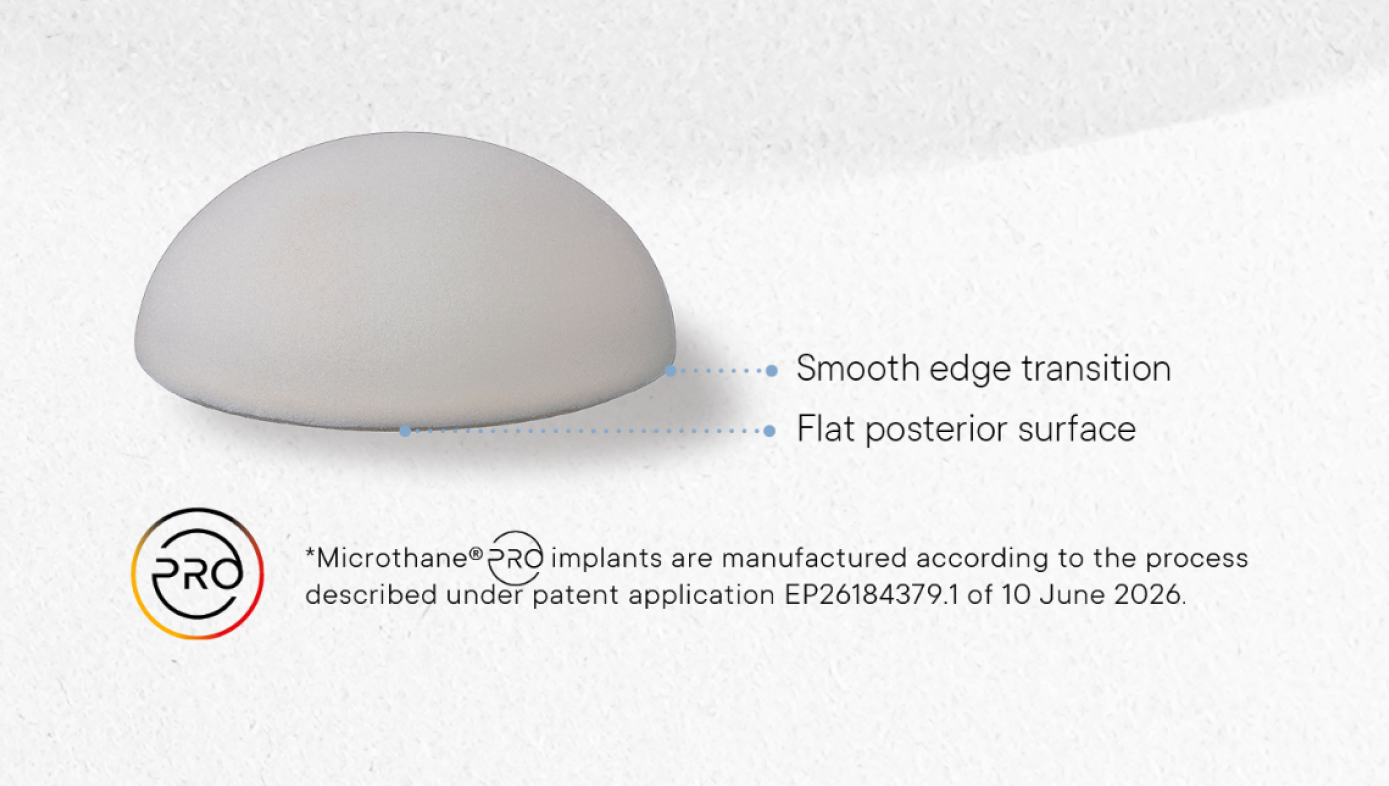
Microthane® is the proprietary name for POLYTECH's micro-polyurethane foam covered implant shell. 

Microthane® is an inert material, it is the tissue that responds or interacts differently with Microthane®, compared to silicone surfaces. 

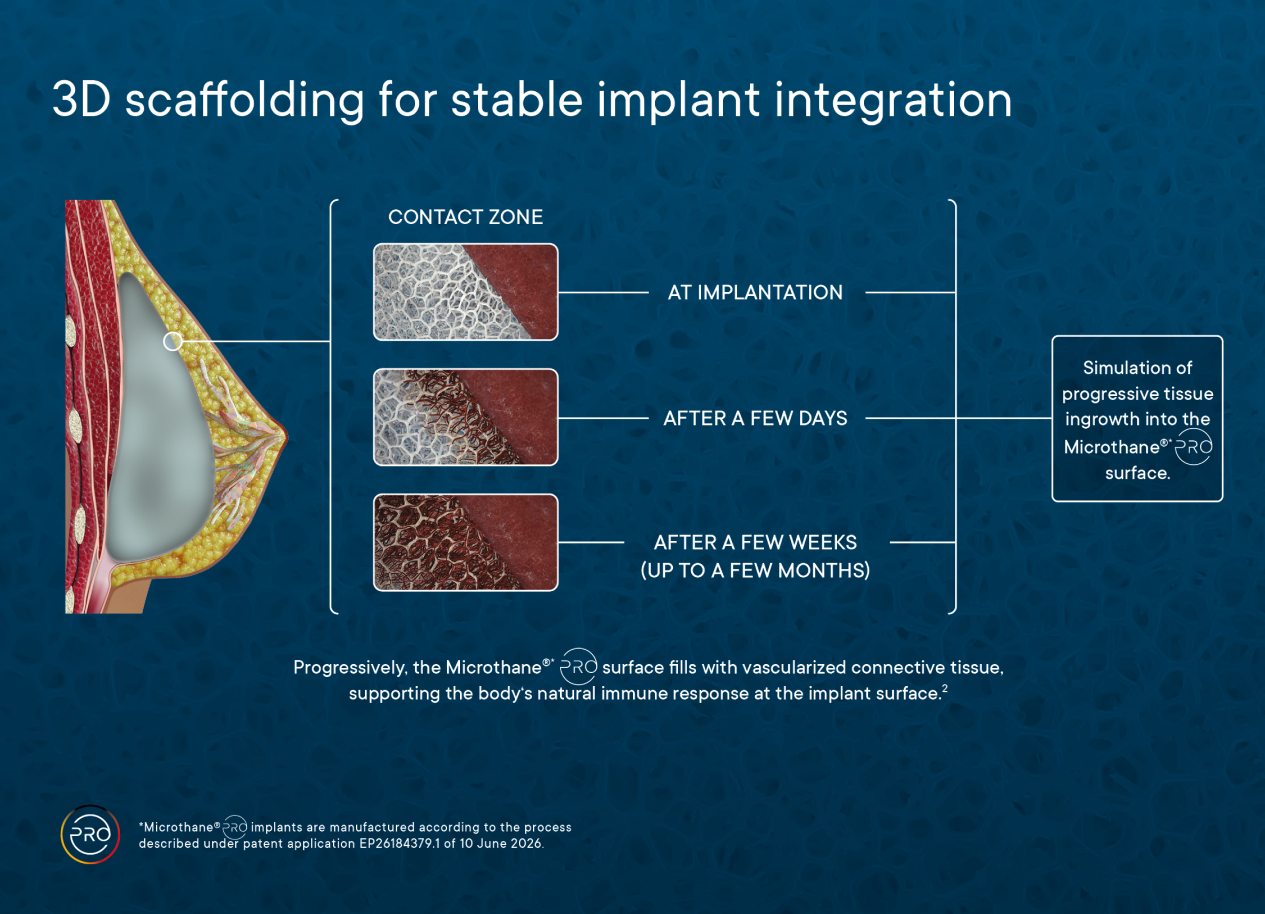
The composition of collagen in the microscopic structure of capsules varies greatly from that observed in the smooth and textured implants capsules.1 Microthane® polyurethane foam is effectively a 3D scaffold creating an active contact zone between the patient tissues and the Microthane® implant.2

After implantation, highly vascularized tissue grows into the 3D matrix.3,4,5 This stimulates the body’s immune response and promotes excellent tissue adherence.6,7


3D scaffolding for an active contact zone

Progressively, the Microthane® surface will fill with healthy and highly vascularized tissue, allowing the body’s immune system to be active at the very surface of the implant.2,3,4,7

Proven Safety Profile8

  • Greater tissue adherence to reduce implant rotation and malposition9
  • Very low risk of Capsular Contracture10,11,12
  • Radiation therapy patients have shown a decreased rate of Capsular Contracture** 10,11,12
  • Long-term Stability9
  • High level of Predictability9,11,12


B-Lite® Microthane® - An exceptional combination

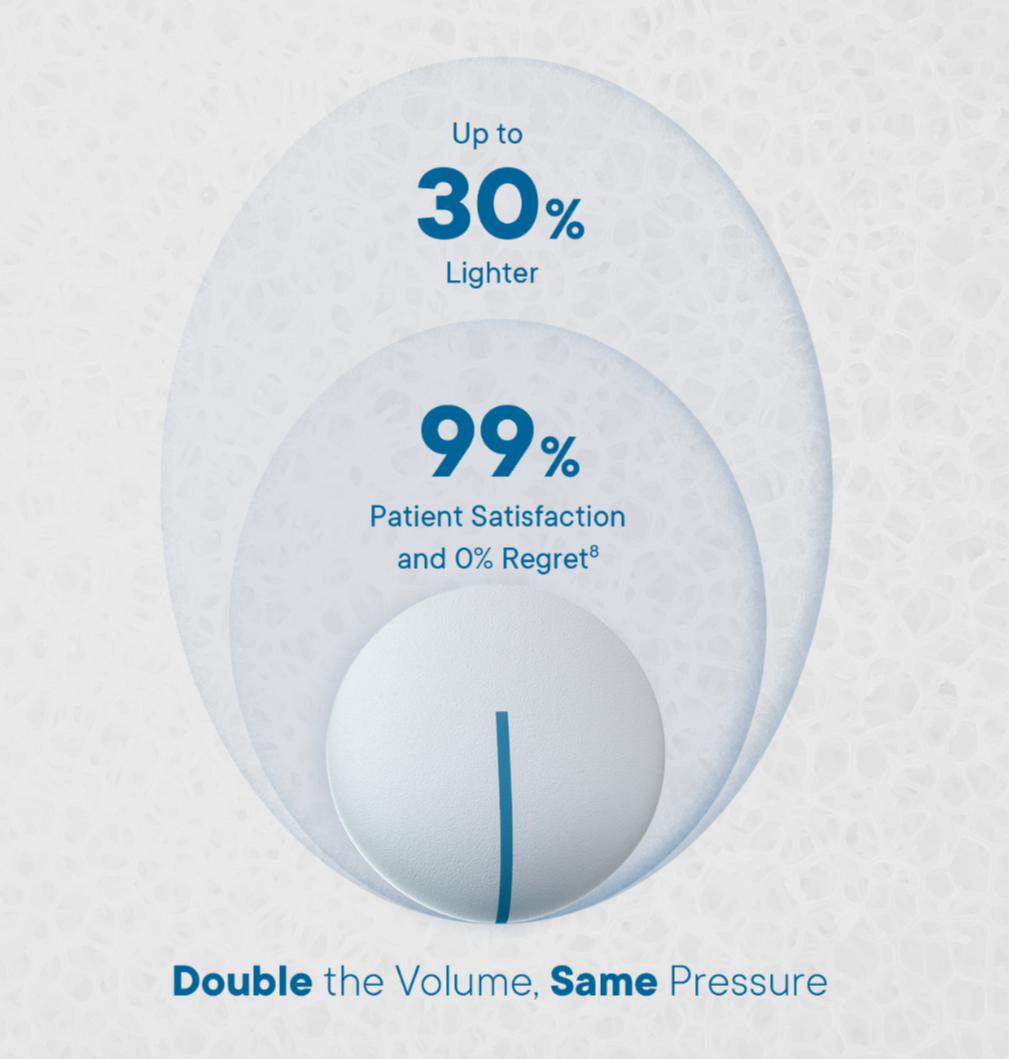
B-Lite® lightweight implants covered with Microthane® are designed to be stable and predictable. They weigh up to 30% less than traditional silicone implants while maintaining an equivalent size, form, and function. Lightweight implants cause less stress to the breast tissue and support tissue stability.15

Great adherence and less stress are two factors that allow you to have better control over implant stability and implant long-term surgical outcome. Regular users around the world confirm that they and their patients are post-operatively satisfied and confident.

SublimeLine Microthane® portfolio

B-Lite® Microthane® portfolio
 

2025

Salgarello M et al.37

  • Prepectoral Breast Reconstruction: Early and Long-term Complications and Outcomes of Total Coverage ADM and Implants vs Polyurethane-Coated Implants Without Use of Acellular Dermal Matrix.

Retrospective study
Nº of patients: 97 patients (135 breasts)
Follow-up: Surgery between Apr 2015 and Oct 2019

Relevance: PU-coated implants offer a safer and more effective approach in IPBR, with reduced complication rates and improved aesthetic outcomes compared with ADM-coveredimplants. Patient-specific anatomical and oncologic factors should guide implant selection to optimize surgical outcomes..

Aesthetic Surgery Journal

2025

SALGARELLO et al.36

  • To test safety and feasibility of Microthane® implants with standardized assessment employing internationally acknowledged evaluation criteria.

Retrospective study
Level of Evidence: III
Nº of patients: 47 Patients
Median follow-up: 12 months

Relevance: Microthane® implants perform favorably in patients undergoing postmastectomy radiation therapy (PMRT).

Aesthetic Surgery Journal

2025

LISA et al.35

  • Outcomes, indications and predictive factors for complications in postmastectomy prepectoral reconstructions with polyurethane foam-coated implants.

Retrospective study
Nº of patients: 317 patients
Journal: The Breast

2025

Salgarello et al. 34

  • Immediate Breast Reconstruction with Prepectoral Polyurethane-Covered Implant After Conservative Mastectomy in Large and Ptotic Breasts.

Retrospective study
Level of Evidence: III
Nº of patients: 62 patients

Journal: Aesth Plast Surg

2024

Garcia-Novoa et al.33

  • To describe the feasibility of local flaps to treat skin necrosis and dehiscence after Micorthane® prepectoral reconstruction and its impact on implant loss.

Prospective study
Level of Evidence: III
Nº of patients: 226 breasts
Median follow-up: 20,8 months

Relevance: The use of local flaps can be a low-morbidity option for preventing implant loss when skin dehiscence or necrosis occurs and delays in oncology treatments.

Plastic & Reconstructive Surgery-Global Open

2024

Lembo et al.32

  • To present a new technique of immediate breast reconstruction with prepectoral Microthane® Implants, covered with an autologous dermo-adipose flap.

Retrospective study
Level of Evidence: IV
Nº of patients: 21 Patients (36 skin-reducing mastectomies)
Average follow-up: 19,3 months

Relevance: This experience suggests that the procedure described is effective, feasible and cost-effective. It reduces operative time, and minimizes complications related to manipulation of the pectoralis major muscle. Moreover, it leads to high level of patients’ satisfaction.

Aesthetic Surgery Journal

2024

Correia-Pinto et al.31

  • This study compares the rates of capsular contracture, breast esthetics, and patient satisfaction between two commonly used interface materials: acellular dermal matrix (ADM) and Microthane® implants.

Cross-sectional study
Level of Evidence: III
Nº of patients: 79 reconstructed breast (20 bilateral cases)
Median follow-up: 13 months in the ADM; 16 months in the Microthane® group

Relevance: ADM reconstructions are prone to capsular contracture with all their related esthetic issues, but PU implants have certain cosmetic flaws, such as implant visibility and malposition. Since each technique has its own limitations, neither the experienced surgeons nor patients exhibited a clear preference for either approach.

JPRAS

2024

Giuseppe Visconti and Mario Mendanha30

  • In the search for an ideal implant in terms of safety, shape and consistency, the authors report their experience with the Microthane® Diagon\Gel® 4Two implants, in both cosmetic and reconstructive cases.

Retrospective study
Level of Evidence: IV
Nº of patients: 116 consecutive Patients
Follow-up: 18 to 24 months

Relevance: Microthane® Diagon\Gel® 4Two is an anatomical silicone-gel filled implant with peculiar dual gel construct, and unique three-dimensional configuration. This implant resulted safe, with very low complication rate and very versatile for both primary and secondary cosmetic and reconstructive breast surgery.

Aesthetic Surgery Journal

2024

CATANUTO et al.29

  • To test safety and feasibility of Microthane® implants with standardized assessment employing internationally acknowledged evaluation criteria.

Retrospective study
Level of Evidence: IV
Nº of patients: 63 Patients (74 nipple-sparing mastectomies)
Median follow-up: 12 months

Relevance: Microthane® implants may prevent rotation and malposition and capsular contracture in the short term. Unplanned readmission rates and implant loss rates in the short term may be slightly higher.

Aesthetic Surgery Journal

2024

HAMDI et al.28

  • To assess the use of Microthane® implants in breast revisional surgery and to provide an algorithm.

Prospective study, single arm
Level of Evidence: III
Nº of patients: 92 Patients (184 breasts)
Median follow-up: 5 years

Relevance: This is the first study to provide data on outcomes of revisional breast augmentation surgery with Microthane® implants. 
It shows that polyurethane implants offer consistent stability and have low rates of recurrent capsular contracture in revisional surgery.

Aesthetic Surgery Journal

2023

CAGLI et al. 25

  • The formation of less fibrotic capsule may reduce the risk of CC occurrence, particularly with Microthane® and MESMO® surfaces.

Randomized Study
Level of Evidence: III
Nº of patients: 30
Statistical relevance: significant; P < .05

Journal: Plastic and Reconstructive Surgery

2022

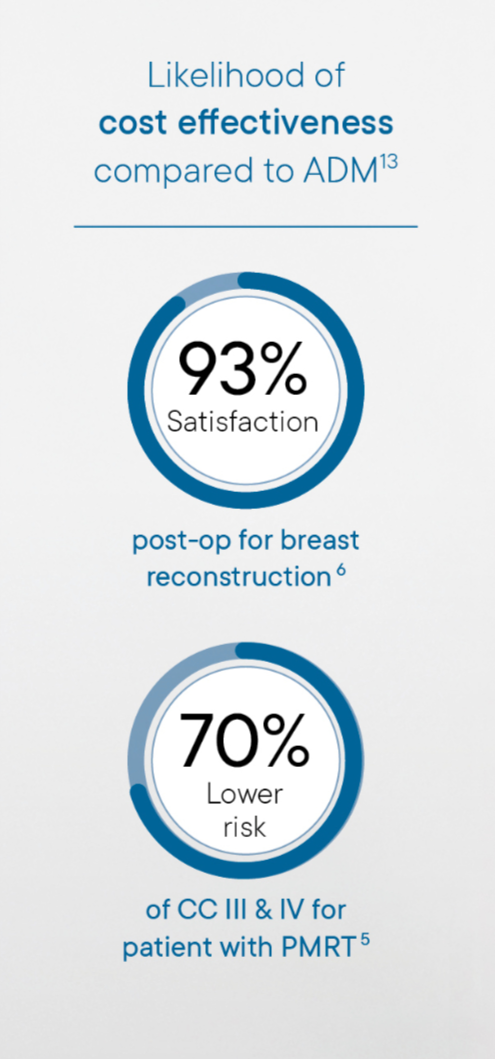
DE VITA et al. 24

  • VERY HIGH patient satisfaction for DTI breast reconstruction
  • Likehood of cost effectiveness compared to ADM27

Retrospective study
Level of Evidence: III
Follow-up: 6 – 42 months
Nº of patients: 453

Journal: Clinical Breast Cancer

2021

COYETTE et al. 23

  • SAFE to use in prepectoral DTI
  • STABLE without additional mechanical support
  • Prior breast irradiation should not be considered as a contraindication to prepectoral PU device placement

Case series report
Level of Evidence: III
Nº of patients: 50
Follow-up: 1 – 4 years

Journal: JPRAS

SALGARELLO et al. 22

  • At the 12-months follow up, the mean Q-score for satisfaction with breast was 71.73 with maximum up to 88%.

Retrospective study
Level of Evidence: III
Nº of patients: 70

Journal: Clinical Breast Cancer

2020

LORETI et al. 12

  • After mastectomy and one-stage Immediate Breast Reconstruction, the use of polyurethane covered implants is associated with a lower incidence of CC compared to textured implants. This advantage is amplified several folds for patients who necessitate post mastectomy radiation therapy.

Retrospective study
Level of Evidence: III
Nº of patients: 312
Median follow-up: avg. 2 – 3 yrs

Journal: THE BREAST

2017

POMPEI et al. 11

  • Lower cumulative incidence of CC following 2-stage breast reconstruction, even when radiotherapy is performed

Retrospective study
Level of Evidence: III
Nº of patients: 92 (115 breasts)
Median follow-up: avg. 103,3 mos 

Journal: Aesthetic Surgery Journal

STAN, BIGGS 21

  • Patient’s satisfaction was estimated on a scale from 1 to 5. At the end of the observation period, 90% of patients under constant control revealed to be either satisfied or extremely satisfied with the outcomes (levels of satisfaction that ranged from 4 to 5).

Retrospective case series
Nº of patients: 894
Follow-up: 1 – 4 yrs 

Journal: Plastic and Reconstructive Surgery

2016

POMPEI et al. 10

  • 1,2% CC rate

Retrospective study
Level of Evidence: III
Nº of patients: 131 (255 breasts)
Median follow-up: avg. 110 mos
Statiscal relevance: significant; P < .05

Journal: Aesthetic Surgery Journal

2015

BRUNNERT 20

  • No serious complications needing explantation, no capsular fibrosis, implant rotation or rupture
  • Only 4 minor complications complication rate (1.97%) 

Prospective study
Level of Evidence: III
Nº of patients: 90 (152 breasts)
Median follow-up: 41 months 

Journal: DGPW

Microthane® - Proven for breast reconstruction

Microthane® is designed to REDUCE the most common complications in breast surgery, including in breast reconstruction. Reoperations are a significant cost driver in healthcare systems 16,17,18 and have an impact on patient satisfaction.19 A lower rate of capsular contracture (III & IV) reduces the risk of reoperation.

  • Lower complication rate (Risk of CC III & IV)
  • Lower reoperation rate
  • Potential reduction of healthcare costs
  • Higher patient satisfaction (Higher quality of life)


How do you get started with Microthane®?

If you are familiar with traditional implantation techniques, Microthane® implants require some adjustments to your normal routine. It can take a number of cases for you to become comfortable. 

Working with Dr. Mario Mendanha, we have developed an easy to follow guide to the Microthane® surgical technique.

The course is now available on the POLYTECH Academy. You can register to the Academy and then review the course.

Register to the POLYTECH Academy >>

What our experts say

Dr. Ramos

“As a woman and as a plastic surgeon, I think there is no other option for long lasting results than Microthane® in most of my cases”.

Dr. Luísa Magalhães Ramos
Reconstructive and Aesthetic Plastic Surgeon
Consultório de Cirurgia Plástica LMR
Lisbon, Portugal


Mr. Mallucci

”I use now Microthane® for all indications in primary, as well as secondary cases.
STABILITY
ADHERENCE
PREDICTABILITY
are the key drivers for me to select the right implant.“

Mr. Patrick Mallucci
MBCHB, MD, FRCS (PLAST) Medical Director
London, United Kingdom


Prof. Hamdi

”B-Lite® implants are the most important innovation in the last decade of breast surgery. Combining the right surface with the correct indication makes the difference. The 30% less weight has a huge impact on my patients for their quality of life.
My patients love them.“

Prof. Dr. Moustapha Hamdi
Chairman at Plastic Surgery Department
Brussels University Hospital


Prof. de Vita

”I believe B-Lite® in combination with Microthane® is the best implant a patient can get for reconstruction. The 50% less pressure that B-Lite® delivers plus the stability and control of Microthane® gives patients an unbelievable advantage.“

Prof. Roy de Vita
Chief of Plastic and Reconstructive Surgery Dept.
Regina Elena National Cancer Institute, Rome


* Photograph: Szycher M, Siciliano AA. Polyurethane-covered mammary prosthesis: a nine year follow-up assessment. J Biomater Appl. 1991

** compared to traditional textured implants.
*** The patient must personally register the implant within 6 months after operation. 


Sources click here >>